My New Starlight Xpress Trius-H694: First Light & Initial Tests!
My New Imaging Powerhouse Has Arrived!
Guess what just landed?! My new CCD camera! Introducing the Starlight Xpress Trius-H694, sporting the incredible Sony ICX694AL Exview CCD. With its tiny 4.54µm x 4.54µm pixels, 6-megapixel resolution, high sensitivity (77% QE at 580nm), and super low read noise (5e-), I think I’ve found the perfect match for my FLT110 TEC!
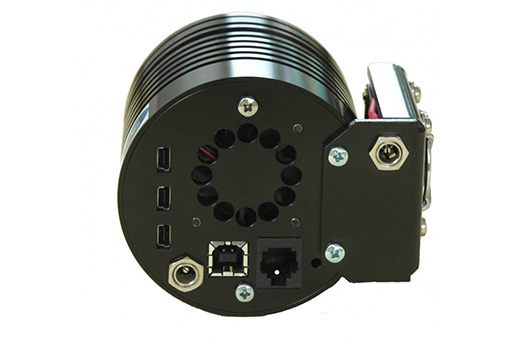
My trusty SXVR-H18, with its Kodak KAF8300 sensor, will soon be looking for a new home (stay tuned if you’re interested!)… More on this imaging journey in an upcoming post. In the meantime, since I haven’t had a chance to get the new kid installed at the observatory yet, I started testing and comparing it against the SXVR-H18 from home.
My first test is pretty straightforward: comparing darks from both cameras under the same conditions: Ambient Temp: 22.5 deg C CCD Temp: -15 deg C Exposure Time: 1200s (20 min)
I managed to get the Trius H694 down to -18.2 deg C, which is a delta of 40.7 deg C (with an ambient temp of 22.5 deg C). Since the SXVR-H18 couldn’t go quite that low, I settled for a -15 deg C comparison. I suspect the H694’s dry argon-filled CCD chamber contributes to this improved cooling performance.
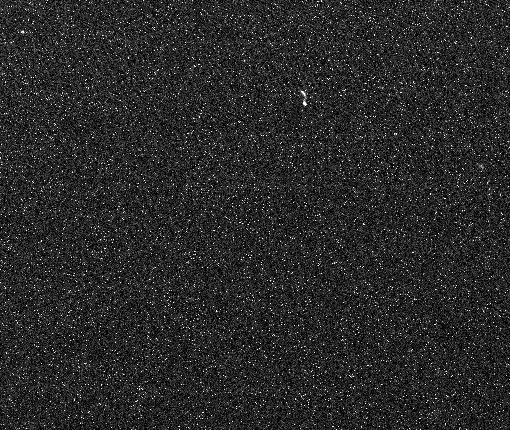
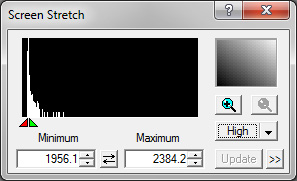
Heads up: The histograms are heavily stretched to really show off the noise. It’s super low on the H18, and practically non-existent on the H694!
100% Crop of the SXVR-H18 Dark Frame and Corresponding Histogram:
100% Crop of the Trius-H694 Dark Frame and Corresponding Histogram:
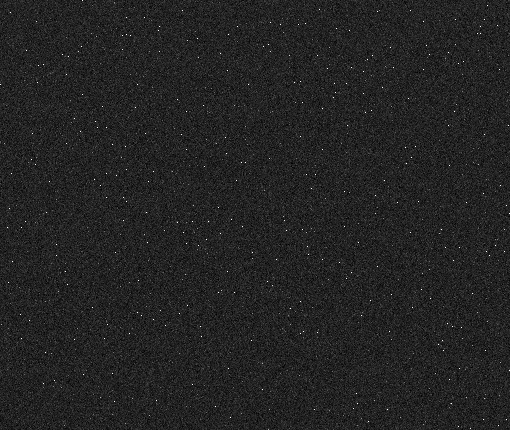
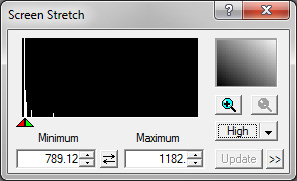
The noise level on the H694 is seriously impressive (check the histograms – the max stretch value for the H694 is actually lower than the min for the H18)! Given its superior cooling capabilities, I reckon I can push these results even further. Next up, of course, is to get it under some real stars… you know, whenever the clouds decide to give us a break!